How To Spot Phone Fraud
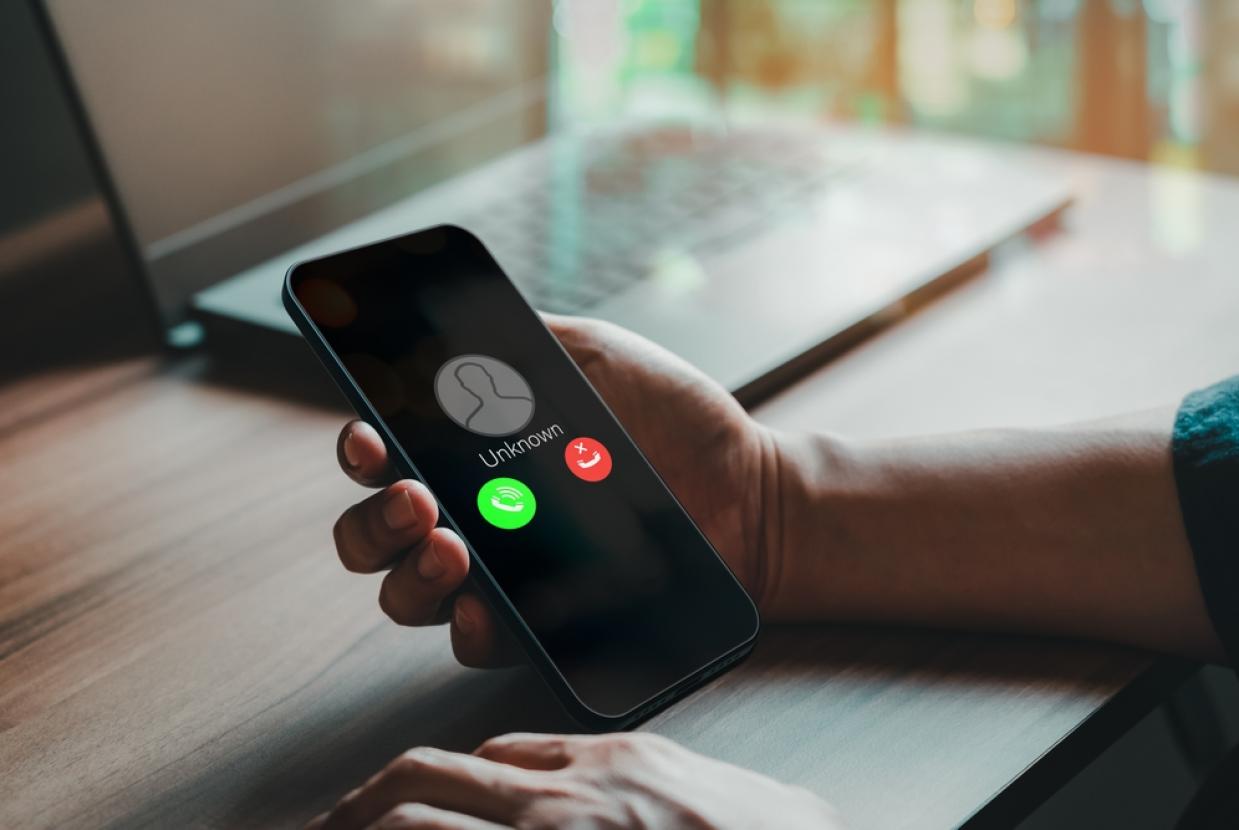
Phone fraud is when a fraudster calls or messages you, pretending to be someone you know or from an organisation you trust such as your bank or the police. They then convince you to hand over personal details, make a payment, give them access to your computer or follow a link to a dodgy website.
Examples of phone fraud to be aware of
- Computer or phone company
- Bank or tax office
- The police
How fraudsters make their calls so convincing
‘Number spoofing’
The fraudster calls your landline or mobile from a phone number that looks genuine. This is called ‘spoofing’. They change the number they’re calling from so it appears on your caller ID as one you think you know and trust.
They know a bit about you
They might know a few personal details about you, so you believe they are who they say they are.
An emotive story
They have a convincing story for why they’re calling, often with a sense of urgency, that means you need to hand over money, personal details or control of your computer.
Artificial intelligence (AI) voice cloning
Fraudsters use AI to generate fake audio clips (often known as AI voice cloning) impersonating the voice of someone you know or trust. They will pretend to be in an urgent situation and ask for a financial payment.
Phone fraud checklist: what to look for
Phone fraud – sometimes called ‘voice phishing’ or ‘vishing’ scams – can be hard to spot. But there are signs that should make you suspicious. These include:
- the caller asking you to share personal or financial information
- the caller asking you to share a one-time passcode or PIN
- the caller asking you to give them remote access to your computer
- the caller trying to pressure you into making a payment or moving money
- the caller trying to rush or panic you if you ask questions or want proof of identity
How to protect yourself from phone fraud
Remember that genuine service providers, banks and the police will NEVER call asking you to transfer money, share personal financial details or hand over remote control of your computer.
Agree a safe phrase with your close friends and family to help you verify you are really speaking to them. Never share this phrase outside your family or close friends. If someone calls claiming to be a family member or friend, but can’t tell you the safe phrase, hang up immediately.
If you are in any way suspicious, or feel pressured into anything, hang up and take time to check if the call is genuine.
Call back on a number you know to be genuine, for example as shown on your utility bills or the back of your card. You can also call 159 to get through to your bank, or 101 for the police.
If you’ve seen something that doesn’t feel right, STOP!
- hang up
- check if it’s genuine: contact the organisation directly using contact details you know are correct, such as those on a utility bill, official website, the back of your card or by calling 159 for your bank
- don’t trust the Caller ID display on your phone – it’s not proof of ID
- report it by sending a text to 7726 with the word ‘Call’ followed by the scam caller’s number
What to do if you’ve already responded to the caller
Don’t panic! What you do next depends on whether you’ve shared information or made a payment. Take a look at our advice on what to do if you’ve been a victim of fraud.
Content supplied by...