Crohn's Disease
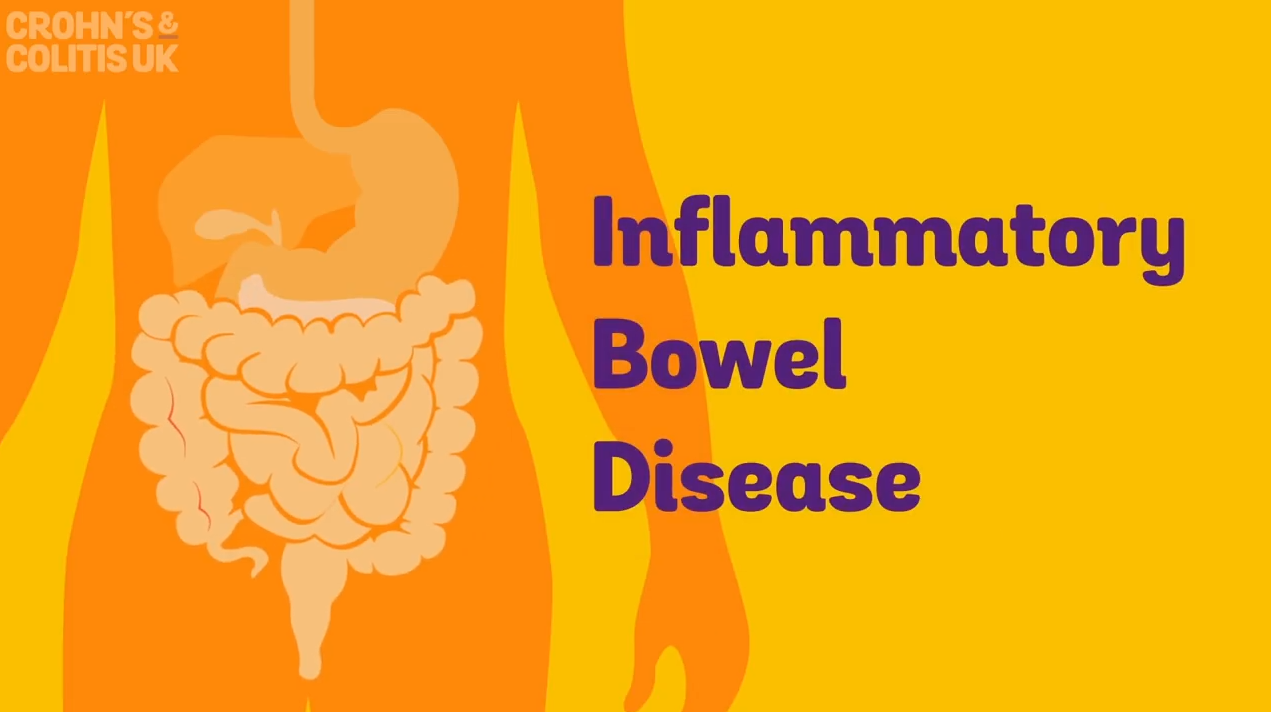
Crohn's disease is a lifelong condition where parts of the digestive system become inflamed. It is one of a group of conditions called inflammatory bowel disease (IBD).
Living with Crohn's disease
Living with Crohn's disease can be difficult at times. Flare-ups and appointments can disrupt your school, work and social life. But if your symptoms are well controlled, you can live well with the condition.
It may help to:
- tell your friends and family about your condition - so they can understand the effect it has on your life
- talk to your GP or care team about support - they can refer you to a counsellor if needed
- get support from the Irish Society for Colitis and Crohn's Disease (ISCC)
Diet and Crohn's disease
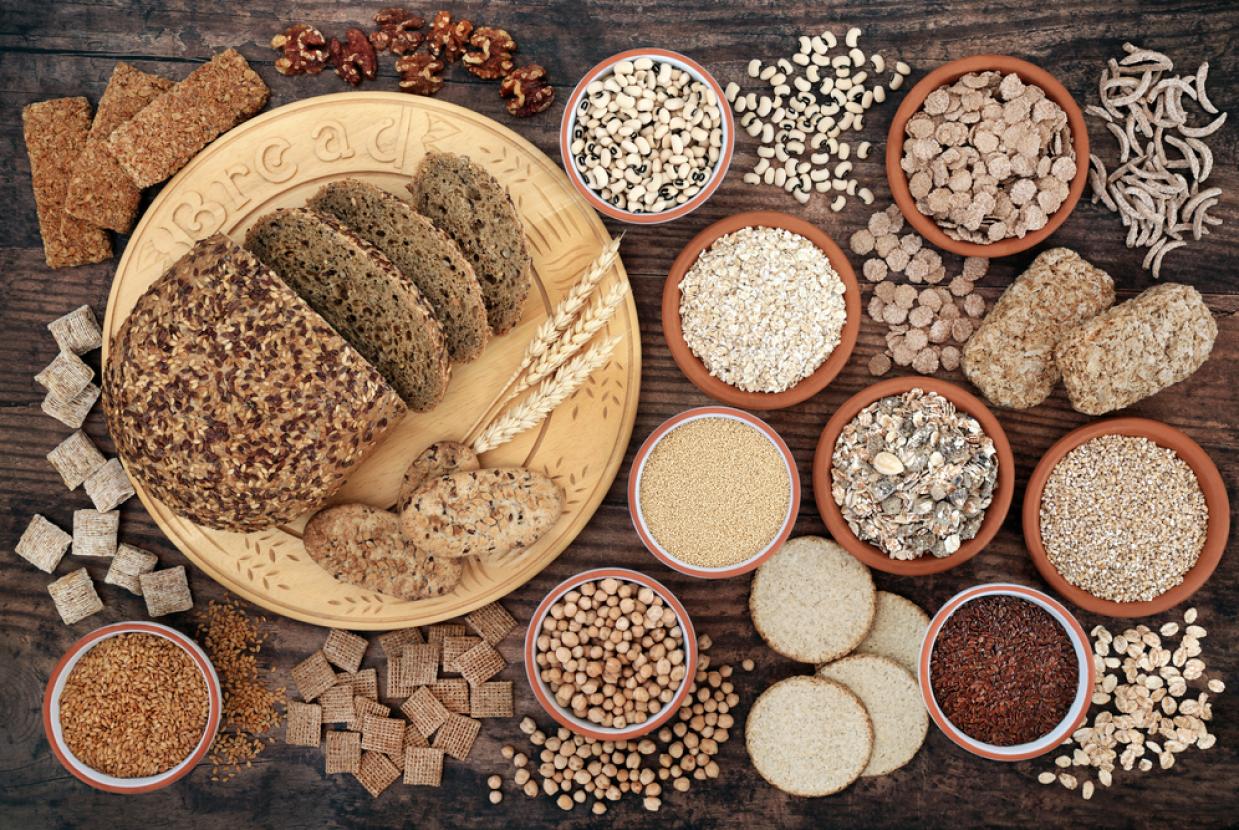
There's no special diet for adults with Crohn's disease. Aim to have a healthy, balanced diet.
Some people find that certain foods seem to make their symptoms worse. If you think a certain food triggers your symptoms, see if avoiding it helps. But speak to your GP or care team before you make any big changes to your diet.
Children may sometimes need a special liquid diet to control their symptoms. Your doctor will tell you if you need to do this.
Flare-ups
Contact your care team if you think you are having a flare-up of symptoms. It is easier to treat problems early than after they get worse.
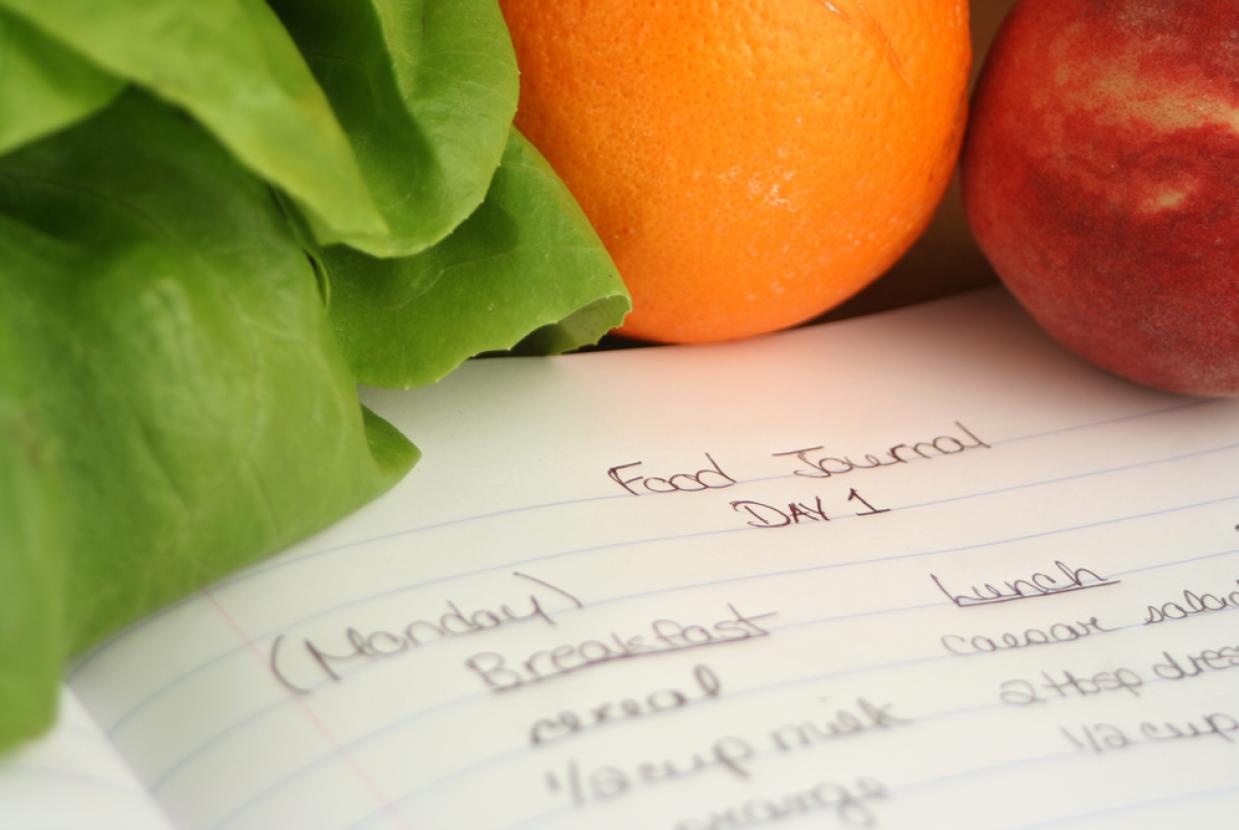
Keep a diary of your symptoms so you can tell your team:
- the type of symptoms you have
- how often symptoms happen
- how severe the symptoms are
If you smoke, stopping smoking may reduce the risk of flare-ups. Ask a pharmacist, a GP or your care team for advice before taking a medicine without a prescription.
Some medicines can trigger symptoms or stop your Crohn's disease medicines working properly. For example, anti-inflammatory painkillers such as ibuprofen make some people's symptoms worse.
Pregnancy and fertility
You can have a normal pregnancy and healthy baby if you have Crohn’s disease.
Talk to your GP or care team if you plan to get pregnant. You may need to change your treatment a few months before you start trying for a baby.
This is because some Crohn's disease medicines can:
- temporarily reduce sperm count
- harm an unborn baby
Tell your care team as soon as possible if you get pregnant and did not plan it. Do not stop taking your medicines until you speak to your care team. Most Crohn's medicines are safe to take during pregnancy.
The contraceptive pill may not work as well as usual if you have Crohn's disease. Ask your GP or care team about the best contraception to use if you do not want to get pregnant.
Complications of Crohn's disease
Crohn's disease can cause other problems, such as:
- narrowing of the intestine because of scarring (strictures)
- ulcers - in your mouth, along your digestive system or around your genitals
- small tunnels running from one part of your bowel to another (fistulas)
Treatment for these complications can include medicines and surgery.
Cancer screening
Some types of Crohn's disease can increase your risk of bowel cancer. About 8 to 10 years after you first have symptoms, you may start to have check-ups.
These include a colonoscopy to look for signs of bowel cancer.
How often you have a colonoscopy depends on:
- how long you have Crohn's disease
- your family history of bowel cancer
Content supplied by...