Fabulous Fibre
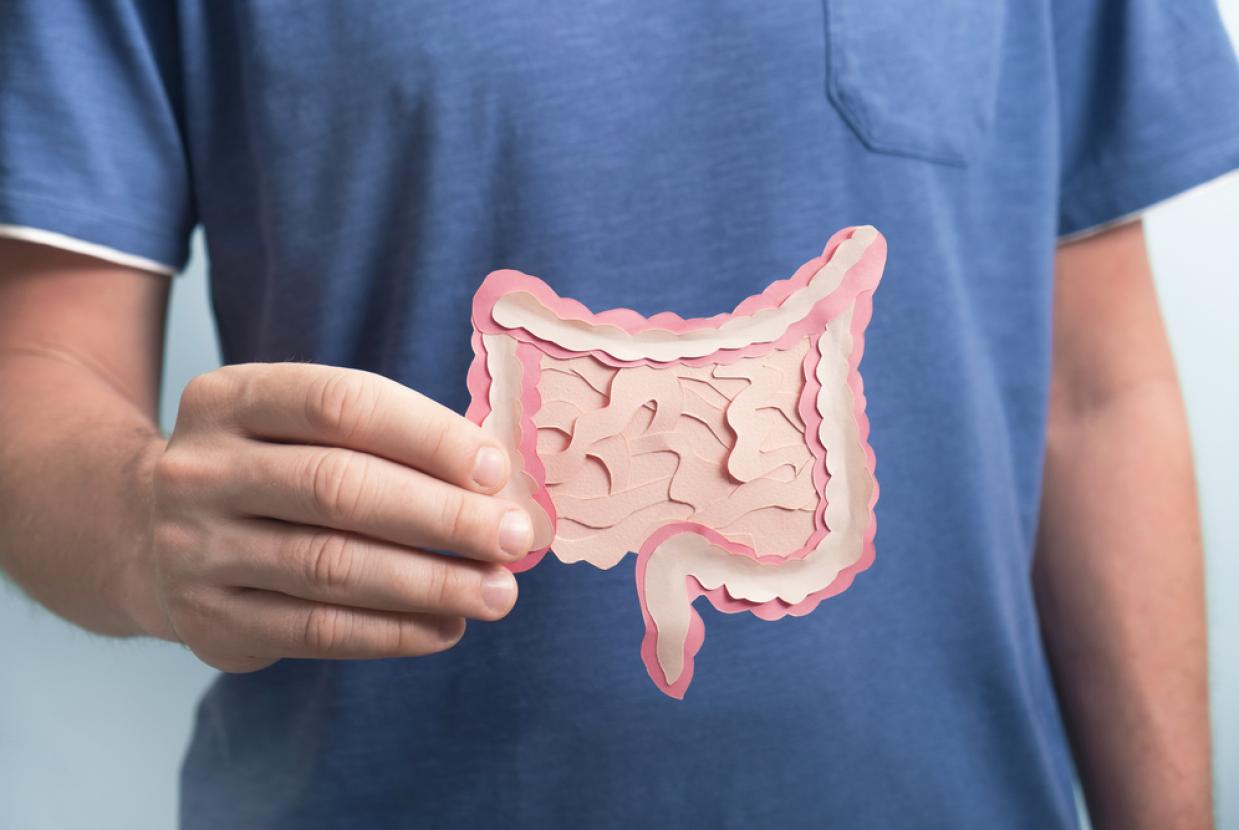
Fibre is often known as the ‘roughage’ in your diet. Fibre comes from plants. It is not digested in the small bowel and reaches the large bowel undigested. There it is completely or partially broken down by bacteria in the large bowel.
Health Benefits of Fibre
- Diabetes management and prevention
- Reduces your risk of heart disease
- Lowers your levels of unhealthy cholesterol
- Improves your appetite control
- Improves your bowel health and reduces your risk of bowel diseases
- High fibre foods are also a source of vitamins, minerals & other important nutrients.
- Fibre feeds your good gut bacteria
Main Types of Fibre
There are many different types of fibre. Some of the ways we can group fibres include:
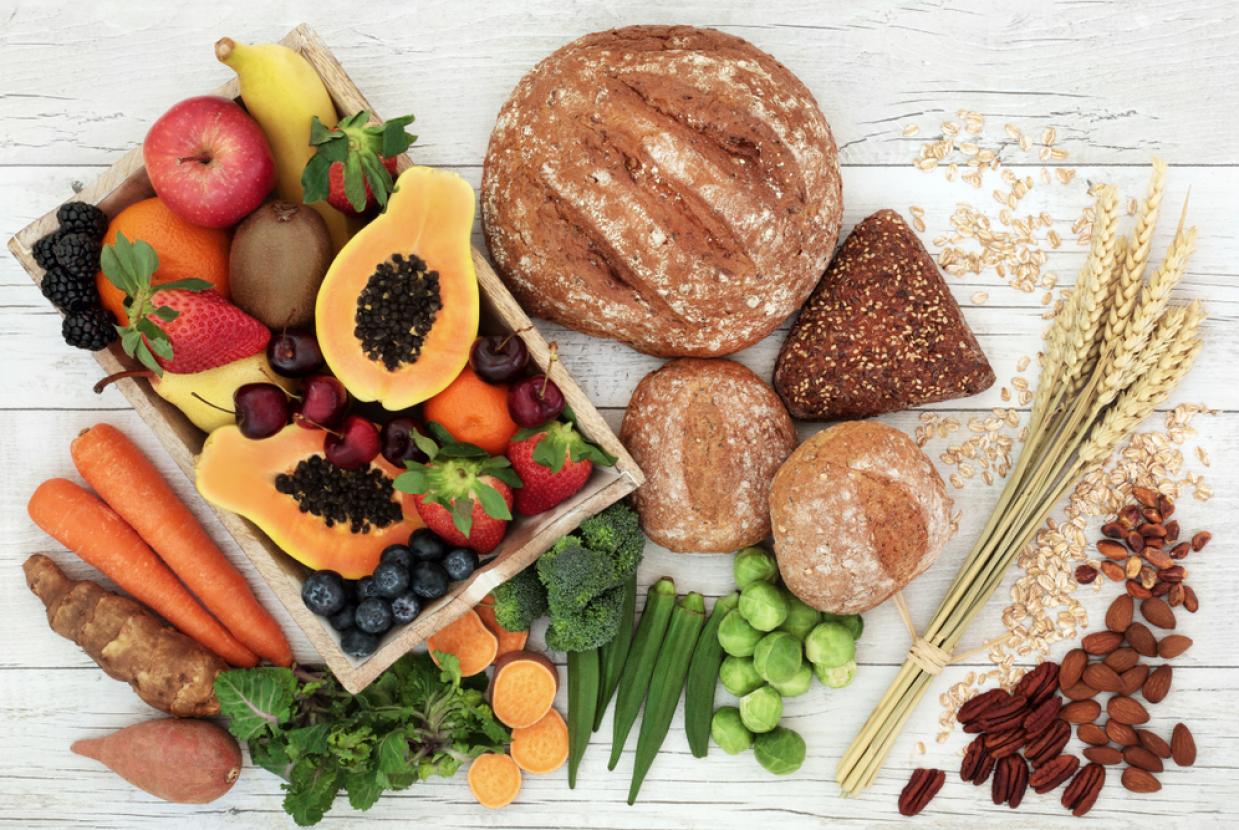
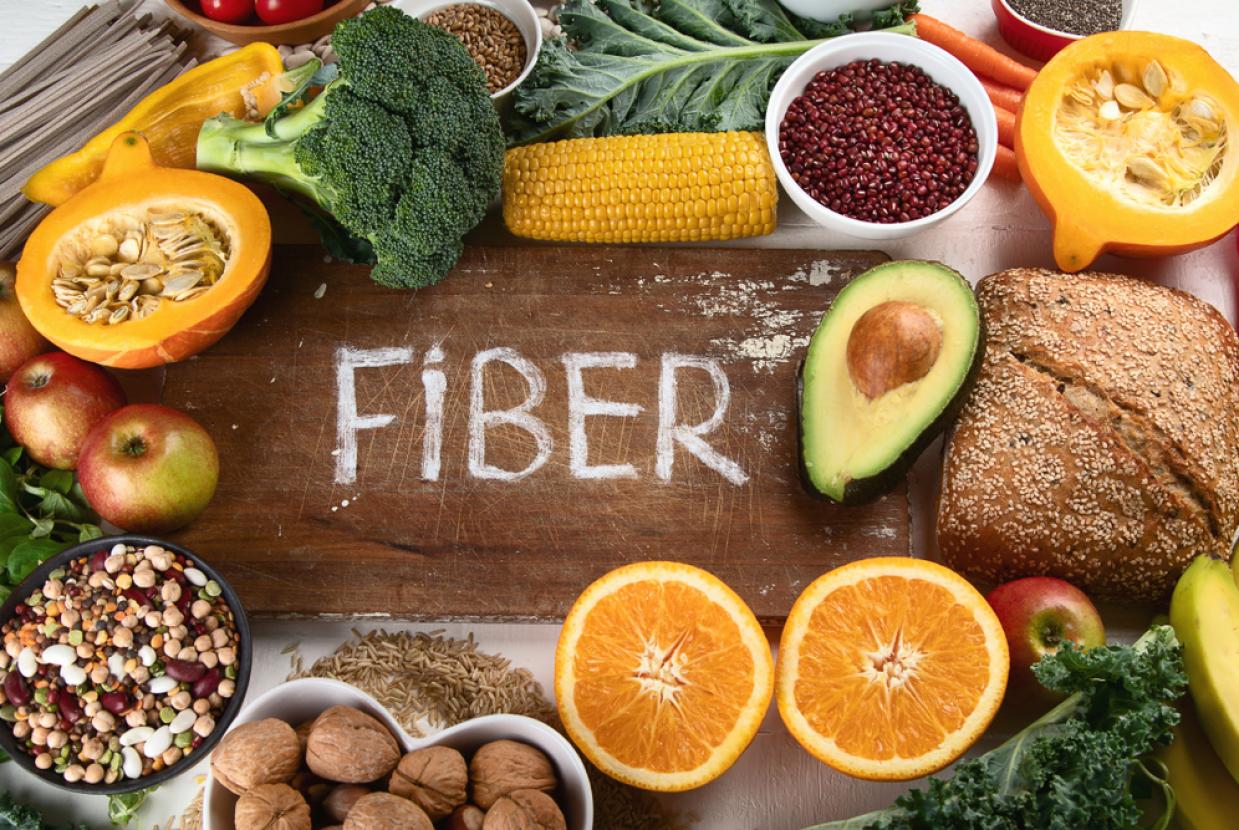
Soluble Fibre – dissolves in water and forms a gel in the gut which helps to keep bowel motions soft and prevent constipation. Soluble fibre is found in beans, fruit and vegetables, oats and flaxseeds.
Insoluble Fibre – does not dissolve in water. It helps to form bulkier stools and prevent constipation. Insoluble Fibre can be found in wholegrain and wholemeal breads, pasta and cereals, pips and skins of fruit and vegetables, nuts and seeds.
Most plant foods will contain more than one type of fibre.
**As with many aspects of diet, eating a variety of fibres is very important**
Wholegrains
Eating wholegrains is a good way to get more fibre. Wholegrains provide more than just fibre. Fibre is just one part of the grain, wholegrains are also rich sources of protein, vitamins, minerals, essential fatty acids, antioxidants and phytochemicals. Like fruit & vegetables (juice, skin and pips), it is the whole package that is healthy.
How can you tell whole grain from refined grain foods?
- Look for wholemeal or wholegrain on the food label or ingredients list e.g. whole wheat pasta.
- Multigrain is not the same as wholegrain – it means that the product has more than one type of grain (e.g. wheat and rye) but does not tell you if they are ‘whole’ or refined.
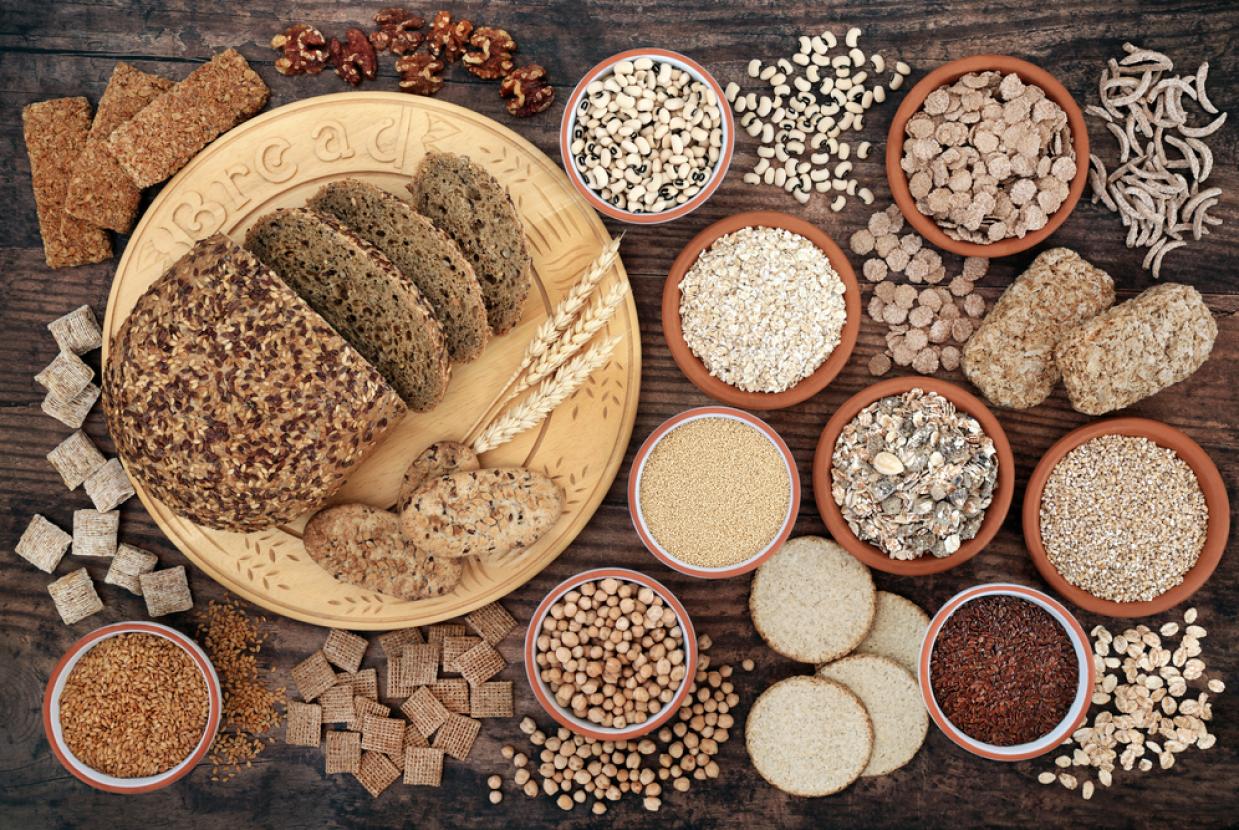
Wholegrain Foods Include
- Whole oats (rolled oats, oatmeal)
- Wholegrain cereals e.g. wholewheat biscuits, bran flakes, wholegrain muesli
- Wholemeal / wholegrain breads, pittas, wraps
- Wholemeal crackers, oatcakes, rye crispbreads, wholegrain rice cakes
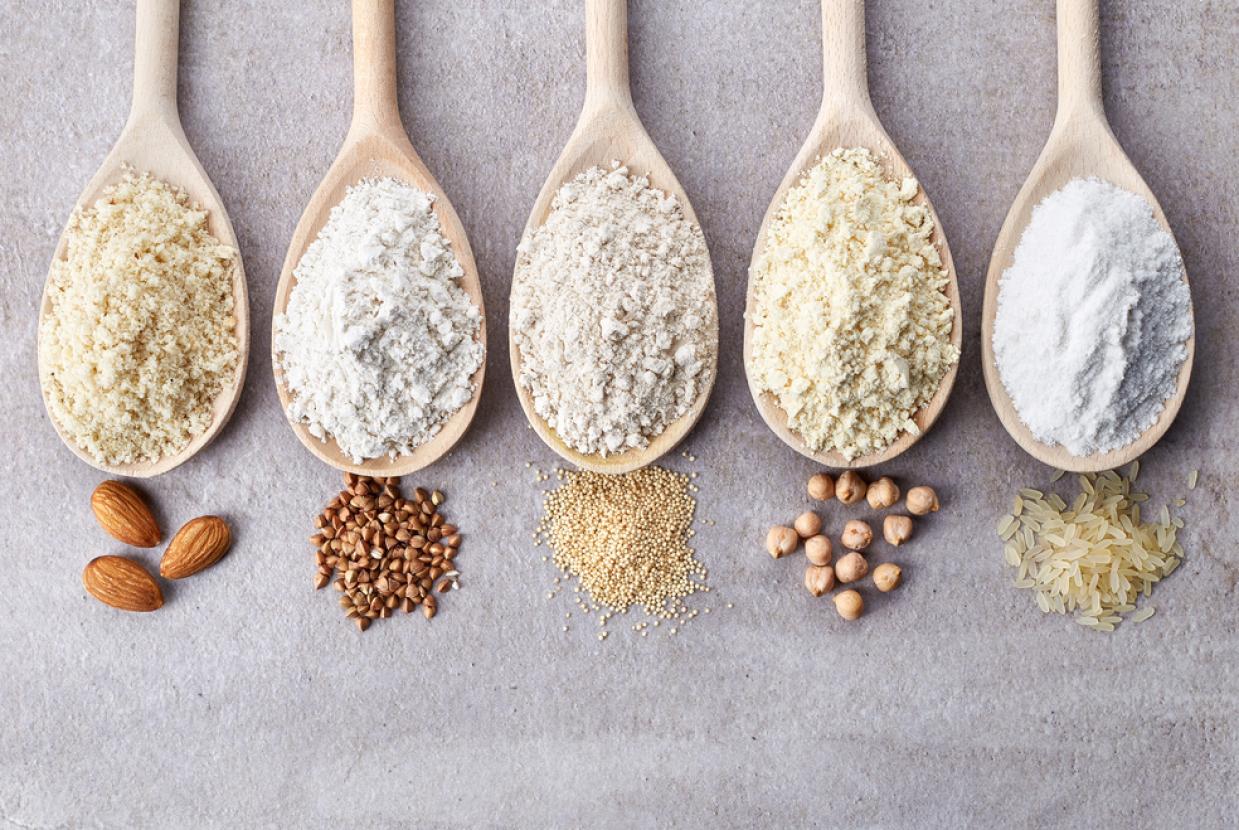
- Brown or wild rice, whole wheat pasta, whole barley (not pearl), bulgar wheat, quinoa
- Other wholegrains: amaranth, whole cornmeal, buckwheat, emmer, farro, teff, spelt, millet, triticale, wheat berries, grano (lightly pearled wheat), cracked wheat
How Much Fibre do we Need?
25g-30g daily is recommended for the general adult population.
Food Labels
When buying cereals, breads, bagels, wraps, crackers or other packaged foods, their nutrition information label will show if it is high in fibre or not. Nutrition information is displayed per 100g of product.
High Fibre
6g per 100g
Source of Fibre
3g or more per 100g
Tips for Increasing your Fibre Intake
- Swap to a high fibre breakfast cereal such as oats, whole-wheat biscuits or bran flakes.
- Swap to wholegrain carbohydrates such as whole-wheat pasta, brown rice, whole-wheat noodles and wholemeal, whole-wheat or seeded bread.
- Add nuts and seeds (e.g. linseeds, flaxseeds, chia seeds) to breakfast cereals, yoghurts, smoothies, salads and soups
- Choose high fibre snacks such as a portion of fruit, a handful of nuts, popcorn, oat biscuits or vegetable sticks with hummus, peanut butter on rice cake
- Add extra vegetables and pulses, such as beans and lentils, into sauces for Bolognese, curry and chilli, soups, stews and to salads
For futher information about Fibre, please visit: Fibre_Fact_Sheet.pdf
Content supplied by...