How to spot and avoid romance scams and online dating fraud
Cyber SecurityA failed relationship could give you a broken heart, but it shouldn't leave you out of pocket. Welcome to the world of romance scams, where a dating profile that seems like Mr or Mrs Right could be an opportunistic criminal who’s attempting to access your life savings.
Sadly, romance scams are becoming more common. A 2025 report from Barclays shows that there’s been a 20% year-on-year jump in the number of romance scams being reported. Shockingly, the report reveals that on average, victims each lost £8,000 to romance scams, with this rising to £19,000 for people aged 61 and over.
Scammers often target people on dating sites and apps knowing they are there looking to make a personal connection, which is something they can use to their advantage. It’s also common to be contacted on social media by scammers.
New technology like AI, video and voice filters are giving scammers an increasingly sophisticated toolkit to convince you to part with your cash, so we’ve got some red flags to look out for and tips to help you avoid online dating scams.
What is romance fraud?Though it takes on many different forms, a romance fraud or online dating scam is when a scammer fakes a romantic relationship or intimate friendship for financial gain.
It might take days, months or even years before a scammer asks for money, but once the victim believes their relationship is genuine, emotional manipulation is applied to get them to send money over willingly.
It may start as a few pounds here and there, but often victims end up transferring thousands, and it isn’t always easy or possible to get that money back.
Common types of romance scamsCatfishingProbably the most common romance scam is ‘catfishing’, where someone creates a fake online persona or uses pictures of somebody else on their social media profiles.
Love bombingScammers might shower you with praise, attention and even gifts to gain your trust. Then they’ll take it away suddenly, leaving you confused and willing to do whatever you can to ‘earn’ back their affection. This is called ‘love bombing’ and is increasingly common in romance scams.
Inheritance, medical or emergency cash requestsIn inheritance romance scams, the scammer claims that a lot of money is coming their way, which will set you both up for the future. But there’s always a snag.
They might ask for your help to support themselves financially, deal with an emergency, or convince you to pay for expenses, such as legal fees, deposits or associated travel expenses because the inheritance is held in a foreign bank account.
Investment or “pig butchering” scamsPig butchering scams have nothing to do with the animal, instead scammers “fatten the pig” by having long-term relationships with their victims. This means they build trust with you, so when the time comes to ask for money or investment, you’re less likely to say no.
Often, these types of scams will involve being asked to invest in fake cryptocurrency or having to pay to unlock investment gains. You might also be promised gifts or profits to make you lend them money.
Blackmail or “sextortion” scamsA particularly nasty form of romance scams that is often targeted at young people. Scammers will pretend to be a romantic interest around your age and convince you to send them revealing photos.
Once they have the pictures, they will then threaten to send them out to people you know, or tell you that they are underage and threaten to call the police unless you pay.
Is there a law against catfishing online?
It’s not illegal to use somebody else’s pictures online, but it almost certainly would break the terms of service of the platform they’re using. If you come across a fake profile you should report it to the dating site or social network wherever possible.
Where catfishing can become illegal is if the scammer uses the fake profile to trick you into sending them money. This is fraud by false representation, and it is against the law.
The catfisher could also be guilty of harassment or malicious communications, depending on how they are contacting you.
How can I tell if I’m talking to a romance scammerSantander reports that nearly a third (29%) of Brits would offer financial help to a romantic partner they’ve known for less than six months, and scammers know this. Be wary if any of these common tactics sound familiar.
AvoidanceIf the person you’re talking to online is reluctant to talk on the phone or meet up in real life, it’s possible that they’re not who they’re pretending to be.
Asking you to move your chat off the dating siteA common tactic of dating scammers is to ask you to talk on email, text or WhatsApp, in case the dating site or app gets wise to their scam.
They seem to be in another countryOne of the scenarios that romance scammers often use is that they’re stuck abroad on a business trip and don’t have access to their bank accounts. Scam victims frequently report being asked to send money internationally to pay for an alleged visa, only never to hear from them again.
Their profile is too good to be trueDoes the person you’re talking to look like a model? Or do they make it clear that they are very wealthy or charitable? These are common tactics of dating scammers.
They have a glamourous or unusual jobYou’d be amazed how many international spies are swiping for love these days. Scammers often use international careers to increase the initial excitement of a new relationship, and also as an excuse for not meeting up in person. The most common careers used in romance scam are working on an offshore oil rig, military personnel stationed overseas, and secret agents.
They ask you too many questionsSome romance scammers are trying to gain enough information about you to be able to steal your identity, it’s not all about getting you to send them money. If they ask you lots of questions, but reveal little about themselves, be cautious.
It gets serious, too soonIs the person you’re talking to professing their love for you without meeting up in real life? They could be attempting to gain your trust so you’re more willing to send them money. Watch out for this kind of ‘love bombing’. Speak to a trusted friend for a second opinion if you feel things move too quickly.
They’re experiencing a tragedyIt sounds cynical, but scammers will often tell you that they are recently bereaved or that they or someone they are close to is seriously ill to make you feel sorry for them. It’s a red flag that victims often describe in their accounts of being scammed.
It’s not adding upIf they can’t keep their story straight, or don’t know what you’re talking about when you bring up something you’ve told them before or they’ve told you, it’s a bad sign. Scammers don’t always work alone. If they’ve forgotten past conversations it could be a group effort.
What to do if you suspect you’re talking to a dating scammerReverse image search their profile photoIf you right click on their picture on Chrome it should come up with the option to search Google for this image, or copy the photo and paste it into Google Images to see whether the picture is being used elsewhere online.
Ask to talk on the phoneIf they give you a number with a foreign area code or have an unusual accent for where they’ve told you they’re from, it’s likely you’re being catfished.
However, scammers can use AI deepfakes to make themselves sound different or even look different on video calls.
Whatever you do, don’t send or accept money from themIf you’ve never met someone in real life you should never transfer them any money. Scammers are known to hire actors to meet you, so even if you’ve met up once or twice you could still be at risk of being scammed.
Romance scammers will sometimes use victims to launder money. They’ll put money in your account and then get you to send it on to someone else – all wrapped up with an elaborate story. You could be committing a criminal offence by doing this.
Avoid sharing identifying detailsWhen you’re not 100% sure who you’re talking to online, don’t share details like your passwords, workplace, address or middle names, as these can all help scammers access your accounts.
If you’re sending pictures, don’t give them anything you wouldn’t post publicly yourself. This can help make sure you aren’t blackmailed.
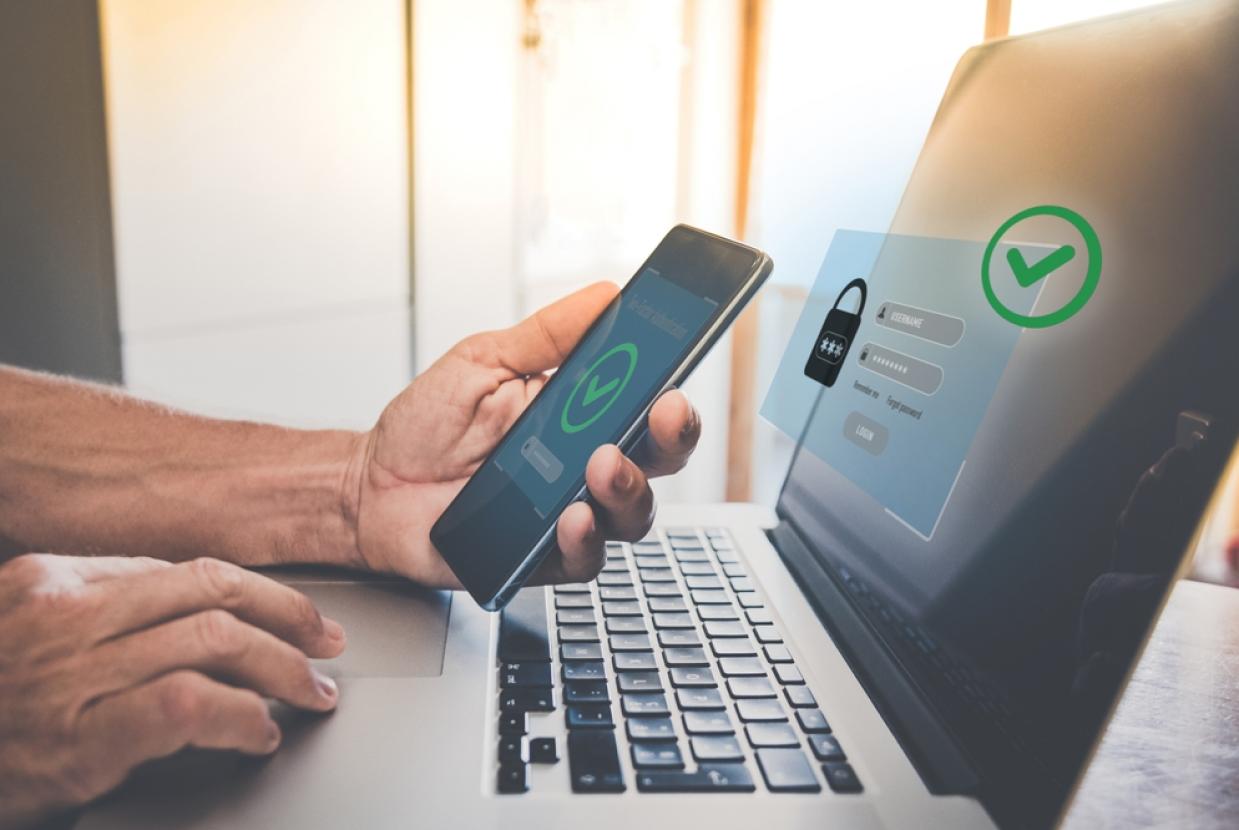
Secure your accountsIf you suspect you’ve been talking to a scammer, it’s a good idea to tighten up security. You can start by changing your passwords or turning on two factor authentication (2FA).
Tell your bankIf you think you might have shared your bank or credit card details with a scammer then let your bank or credit card company know as soon as possible. They might be able to block your card or hold any unusual transactions before the scammer can access your money.
If you’ve already transferred money to a scammer, you might be able to get some, or all, of the funds back, read our blog on How to get a refund for bank transfer scams.
Report itIf you’ve been a victim of a scam, you can report it to the police through Report FraudOpens in a new window They could catch the scammer and stop somebody else falling victim to them later down the line.
Recovering from a romance scamRealised you’ve fallen for a scam? You might be able to claim back some or all of the money you’ve lost.
However, it’s not just about your savings, scammers could be using your identity to open new accounts in your name. This can impact your credit history and make it more difficult to get a mortgage or a loan.
Read our guide to reclaiming your money, it also has tips to help you stop future identity fraud.
Our blog about the new protections to help you get a refund if you’ve sent money to a scammer via bank transfer could be helpful too.
How can I protect myself from scamsFor all kinds of scams, remember this advice from Report Fraud:
Stop: Always take a moment and think before sending money or telling personal information. A scammer will try and rush or panic you into a decision.
Challenge: Ask more questions. The more information you ask for, the more likely a scammer might slip up. Refuse any requests you’re not comfortable with. In fact, their reaction to rejection could tell you all you need to know.
Protect: Contact your bank immediately if you think you have fallen for a scam. Change passwords and report it to Report Fraud
Content supplied by...