Should you pay off debt, save, or invest first? Making the right financial choices
Managing Your Money / Money Troubles / SavingsWhen you’re juggling saving with paying down loans and debt it can be hard to know where to put your hard-earned money. How to work out what's the best move for you.
Understanding your financial prioritiesIt’s important to work out how healthy your money situation is now so you’ll be ready to improve it over time. Understanding what to focus on first and then how to plan for the longer term will help you balance your current and future needs.
Our priorities usually fit different life stages – whether we’re saving to study, move, have children or retire – whatever the reason, set yourself goals for the short, mid and longer term. These will match how long you can plan to put away money to save and invest.
The general rule is first to deal with any expensive debts and build up an emergency fund. Then, only invest money that you will not need to use for the next few years.
Ask yourself five questions:
- What is your money situation now?
- What are your goals?
- What are you building the savings for and when?
- How long can you put away your savings for?
- How much is in your pension?
Building up an emergency savings safety net will give you more security and reduce stress. But debts usually cost more than you can earn on your savings.
Of all your borrowing, make sure you pay the most off the one with the highest interest rate first.
Clearing down loans and credit card debt faster can save you a lot of money, but it’s important to consider your bigger financial picture before deciding what to do.
If you’re paying more for your borrowing than you’re getting on your savings, it makes sense to pay off your loans, credit or store cards – as long as you can access funds in an emergency and there are no high penalties for repayments.
You’ll rarely earn more on your savings than you’ll pay on your borrowings. So plan to pay off your debts before you start to save, even though building up savings is the longer-term strategy.
Remember, there’s free help and support out there. Find out more about prioritising debt.
Types of debt to focus onSort out priority debts like court fines, council tax and child maintenance first. Tackle these before saving for emergencies – they have the most serious consequences if not paid.
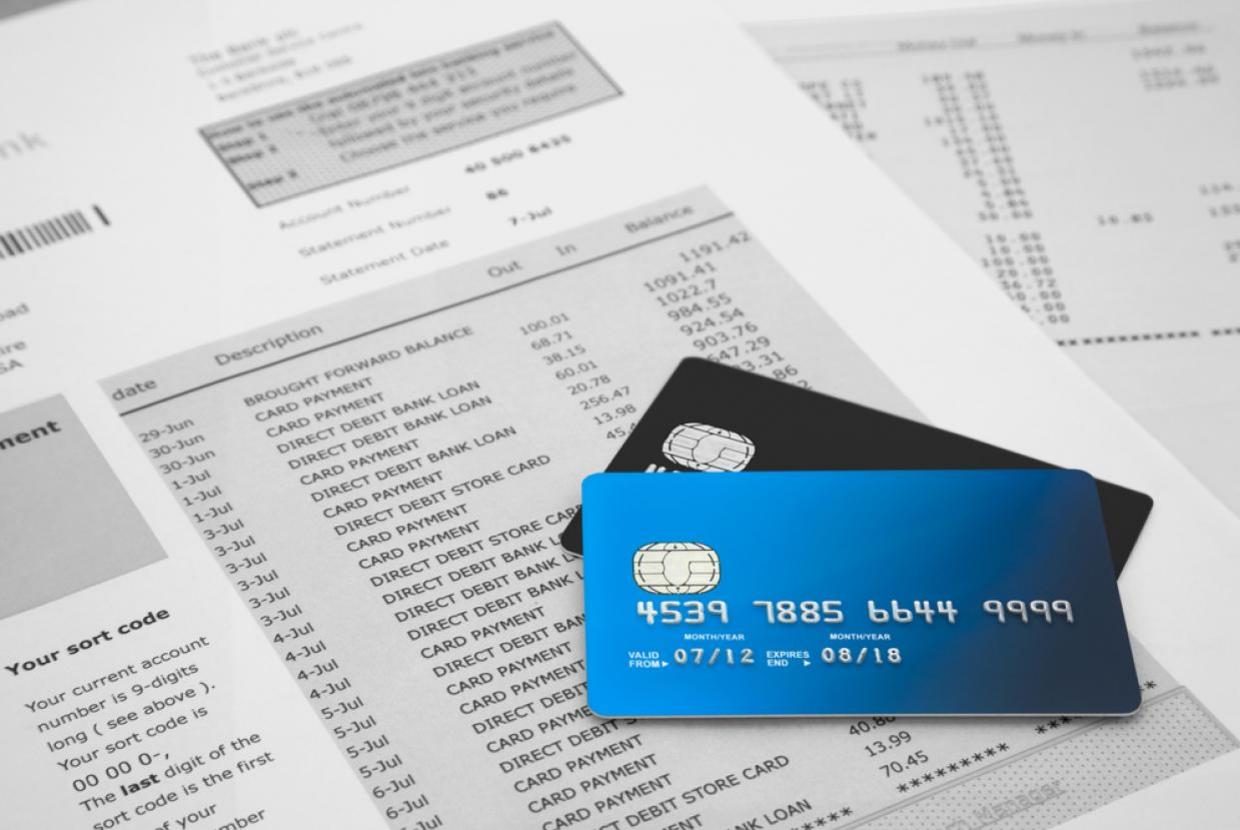
Next take a look at debts with the most expensive interest rates; you can check these on your monthly statements online or by mail.
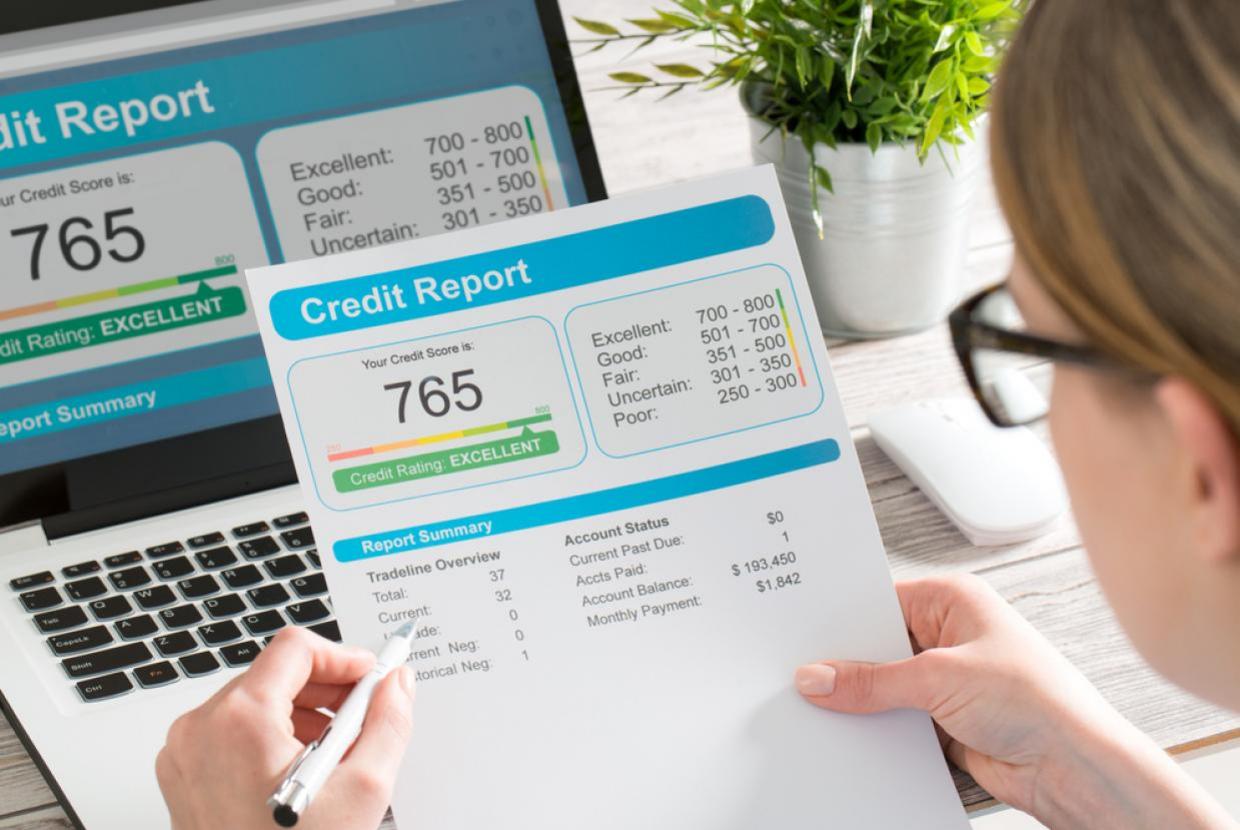
Credit can help you manage your money – whether you’re looking to cover planned expenses or need to meet unexpected costs. But it’s important to use it in the right way. Find out How to check your credit report for free.
Some kinds of debt like a mortgage could help you build a more secure future. But only if you can afford the monthly repayments and you’re able to sell at a good moment for house prices.
If you fall behind on a secured loan like a mortgage, you risk losing your home. This is because the lender can take back the property to sell it and recover their loan.
Other sorts of debt might help you earn more money in the future – student loans, career development loans or business start-up loans. Do your research first and weigh up if this is right for you and your goals. Success in the job or business market is not guaranteed and loans do have to be repaid.
If you have a big expense like a car repair that you had not budgeted for, using a credit card can be helpful. But only if you can pay off the bill in full by the due date or the interest goes up fast.
Struggling with debt?
If you need to borrow money to deal with problem debt, you might benefit from debt advice. Our Debt advice locator tool can help you find free impartial debt advice near you.
How to work out which are your most expensive debtsThe most expensive debts are normally the ones with the highest interest rates. These cost the most in the interest you are charged over the months or years you take to pay the original loan back.
For example, if Derek owes £100 on a credit card at 34% Annual Percentage Rate (APR) and £100 on a car loan at 9% APR, he’ll pay:
- on the credit card - £100 x 34% = £34 interest per year
- on the car loan - £100 x 9% = £9 interest per year
- so if Derek pays off the credit card first, he avoids paying £34 in interest instead of just £9, which is why he should tackle the loan with the biggest APR as it adds up over time.
Debts like store cards, credit cards, Buy Now Pay Later or short-term loans usually have higher rates because they are ‘unsecured’. This means if you do not repay, the lender has more risk than on a ‘secured’ loan like a home mortgage or a car loan where lenders can repossess to get money back.
Store cards are usually the most expensive, so always pay off your minimum balance. The quickest way to improve your overall financial picture is to pay more than the minimum and reduce the interest.
Credit cards charge different rates of interest, which will be listed on your statement. The amount you're charged will vary depending on what you have on the card – purchases, balance transfers or cash withdrawals. Write down the balance – what you still owe – and the minimum payment you must make.
For each debt, look up the APR. This shows the yearly cost of borrowing and helps you compare one loan to another.
If you’re in a position to pay off debt like loans or mortgages, check if this means paying a penalty. If so, leave the money in a savings account until the penalty runs out or is small enough not to matter.
Using savings to pay off your most expensive debts should reduce your costs.
Building an emergency savings fundHaving some emergency savings is a great way to prepare for unexpected expenses, especially when things go wrong like a broken washing machine or boiler.
In an ideal world, it's best to save enough money to cover three to six months of living expenses for emergencies. Don’t be put off if that just seems like too much for your current situation – whatever you can put away will feel like a relief if things go wrong. Consistency is key – even if it's just a small amount of savings a month.
If you have debts, use your savings to pay them off first. If you use a credit card for emergencies, avoid using it for anything else or the debt will climb. Pay at least the minimum payment on all your borrowing, otherwise you’ll face charges and damage your credit rating.
If you have credit card debt, an unauthorised overdraft, short-term loans, or you’re late with mortgage payments, it would be cheaper in the long run to pay these off first.
But if you’re keeping up with your housing costs and any other credit you have is low cost, only temporary or carefully planned, it’s a good idea to add to your emergency fund. Find out more about savings or use our savings calculator.
Putting away six months of spending just isn’t going to be realistic for everyone to do – but build up what you can. Any amount saved will be helpful if you have an unexpected bill.
When it makes sense to start investingInvesting your money can be a great next step when you’ve got to grips with saving. It can potentially make your money grow faster than simply putting it in a savings account. But as investments also come with risks, you could end up with less money than you started with. Find out more about investing.
When we talk about investments, you’ll probably think of stocks and shares or bonds, but workplace or personal pensions and stocks and shares ISAs are investments too.
Pensions are a tax-efficient way of investing for the long term. What you pay into a pension is usually boosted by tax relief – tax you would have paid on your earnings is added to your pension. Each tax year, you can typically get relief on your pension contributions up to 100% of your earnings or £60,000 – whichever is lower.
Pensions are not just about being tax efficient now, they’re also an investment to give you an income in the future. If you choose to pay less into your pot this year, you’ll have less money when you stop working.
Try to balance your needs today with your longer term plans. Future you will thank you for thinking ahead.
Steps to building a comfortable futureThe path to a more comfortable retirement begins here. Take advantage of savings with tax relief like Cash ISAs, Stocks and Shares ISAs and Pensions.
Plan for the long term. Join a pension scheme – do not miss out on employer pension contributions.
Make it easier for yourself to invest in your future, save automatically with a Direct Debit. Your employer might also have a scheme where you can save straight from your salary without having to remember to make transfers.
Make your money work for you – the longer you can invest for, the better the chance of managing to benefit from ups and downs.
See how to save enough money for the kind of retirement you want.
Common mistakes to avoid- Do not ignore high-interest or priority debt. Instead, make a plan to pay this down first.
- Build up emergency savings in case the boiler breaks, or you lose your job.
- Avoid paying too much in fees, always check these for both loans and investments.
- Think carefully before investing. Look beyond the latest hype for a good balance between risk and reward based on the timescale you want to invest over.
- Usually, the more you pay into your pension, the more tax-free top-up you’ll get. If you opt out of your workplace pension, you will miss out and the longer you leave it, the less money you will have when you retire.
Content supplied by...