PHA: Be more aware of your body this World Cancer Day

Cancer / Men's Health / Women's Health

This World Cancer Day (Wednesday 4 February) the Public Health Agency (PHA) is encouraging people to be more aware of their bodies and to contact their GP if something doesn’t feel right. 

Cancer is a common condition. It is estimated that around 1-in-2 of us will develop some form of cancer in our lifetime and being aware of changes to our body can help earlier diagnosis and help improve chances of successful treatment. Dr Louise Herron, Deputy Director of Public Health at the PHA, said: “Everyone knows what feels ‘normal’ for them and it’s important to be aware of any changes in your body, but there are some common changes and symptoms to look out for and act on. Being aware of the general signs and symptoms of cancer can help early detection and increase your chance of survival.”

Some signs and symptoms to look out for include:
  • coughing up blood;
  • blood in urine;
  • blood mixed through bowel motion (stools);
  • a change in bowel habit that lasts for three weeks or more;
  • unexplained, significant weight loss (5kg/10lbs over a couple of months);
  • a lump anywhere on your body;
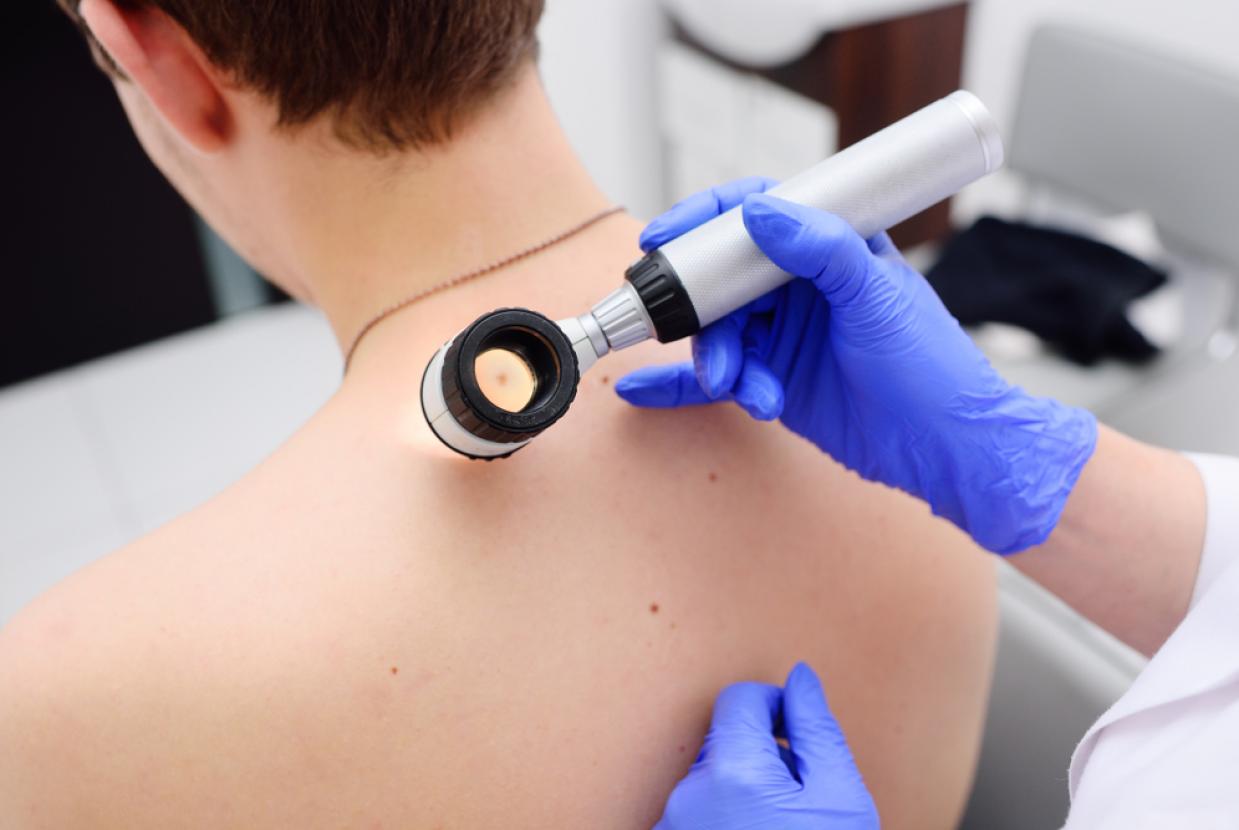
  • changes on your skin or to an existing mole (such as itching, bleeding or a change in shape or colour);
  • a sore that doesn’t heal;
  • symptoms that refuse to clear up, for example a cough or hoarseness that lasts for more than three weeks.


Dr Herron continued: “If you notice any of these symptoms and you feel something isn’t right, do not hesitate to contact your GP. In many cases, these symptoms will turn out to be a sign of something far less serious, but it is always best to get them checked out.

“As well as being aware of the signs and symptoms, our screening programmes play an important role in the early detection of diseases. If you get a letter in the post asking you to book an appointment for cervical or breast screening, or you receive a bowel screening kit in the post, don’t delay – book an appointment or do the test. 

“Noticing changes in your own body, and taking part screening even if you feel perfectly well, can help detect problems early, when they’re easier to treat. Making time for these appointments could save your life.”


There are also some other important steps you can take to reduce your risk of cancer including:
  • Stop smoking. Visit www.StopSmokingNI.info  for tips on helping you to quit and information on free local support services available.
  • Reduce the amount of alcohol you drink. Get to know your alcohol units and keep within safer limits. Advice on this can be found at www.DrugsAndAlcoholNI.info.
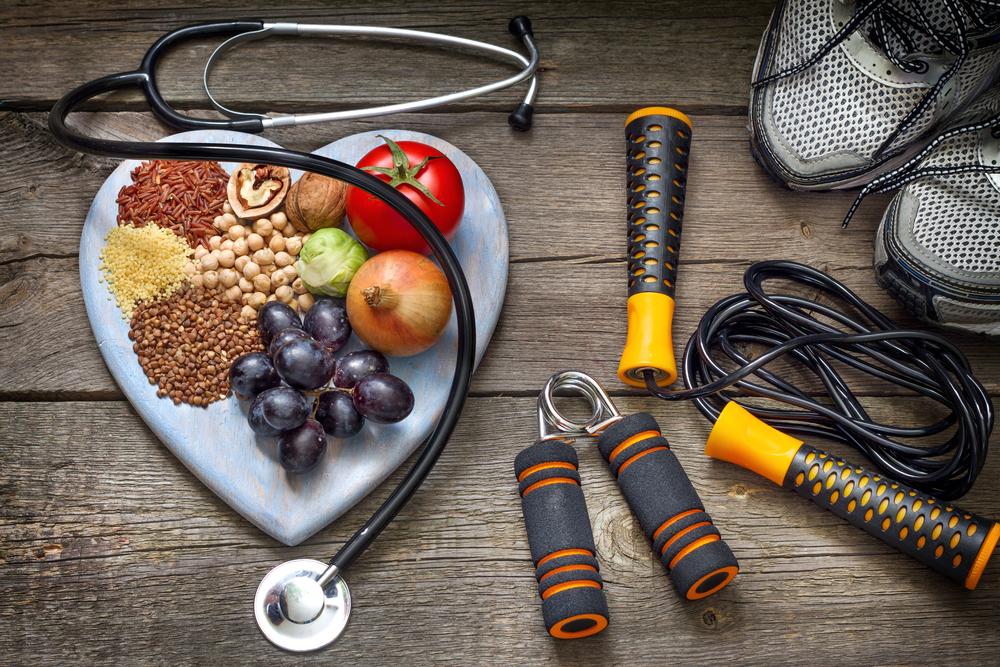
  • Exercise regularly. Visit www.ChooseToLiveBetter.com for more information on simple steps on getting active and healthier food choices that can help maintain a healthy weight.
  • Be UV aware. Use sunscreen to protect your skin, seek shade, wear sun glasses and a hat when in the sun and particularly when the UV index is 3 or more. Avoid using sunbeds. Check your skin regularly for any changes. Visit www.CareInTheSun.org for more information.
  • Attend for screening when invited. For more information on Northern Ireland screening programmes visit www.CancerScreening.hscni.net

Cancer Useful Resources

Each month we run an online support group for men on active surveillance - a form of...

After surgery and treatment for breast cancer, some women feel less confident about their...
When someone is diagnosed with cancer, they may experience feelings of shock, anger, or...

There are a number of health campaigns throughout the year to raise awareness of...
Treatment for cancer may mean you have to make many visits to hospital to see your...
Whether you need help defining sparse brows and lashes, caring for nails that are...
We have a team of trained volunteers throughout the UK who carry out talks to groups both...
We rely on our incredible volunteers to help us spread the word about prostate cancer,...
Call us for free, unbiased, confidential support and information. There's no such thing...
The Quick Fit programme offers positive steps to improve your health through diet and...
Bupa is working in partnership with Macmillan to offer up to 6 free one-to-one...
As part of this community, you can talk about whatever you want, from diagnosis to...
The important thing to remember when you’re affected by prostate disease is that you’re...
We’re a community of people in the UK receiving immunotherapy treatment for bowel cancer...
Prostate Cancer UK have a team of trained volunteers throughout the UK who carry out...
Affected by breast cancer? Join this group to share experiences and ask questions to...
When someone is diagnosed with cancer, they may experience feelings of shock, anger, or...
The Cancer Focus NI Well Aware service is aimed at the over 60s and is offered in a range...
We’re a supportive and safe place for people with stage 4 bowel cancer living in the UK,...
Bowel Cancer UK Community — a place for anyone affected by bowel cancer to talk about...
Zest for Life is a free 6-week programme led by a Cancer Focus NI facilitator. The course...
When someone is diagnosed with cancer, they may experience feelings of shock, anger, or...
Someone is diagnosed every 15 minutes. What do you know about bowel cancer? Book a free...
Cancer Focus Northern Ireland’s Email Forum – or E Forum – helps us keep up to date with...
Macmillan nurses are specialist cancer nurses with experience and qualifications in...
A healthy diet and regular physical activity may help you manage the effects of prostate...
Local support groups are a fantastic source of informal information and support for men...
Cancer Focus NI is the only local cancer charity to provide a free cancer information and...
Every year over 7,000 men in Northern Ireland are diagnosed with cancer (including about...
Cancer Focus NI’s Art therapy service is for anyone affected by cancer. Art therapy helps...
Going through cancer can be an isolating experience at any time, and especially when...
Fatigue support is a telephone programme which includes 4 appointments with a Specialist...
The Sexual support service is a chance for you, or your partner, to talk to one of our...
We know that money is a big and often difficult thing to talk about when you’re living...
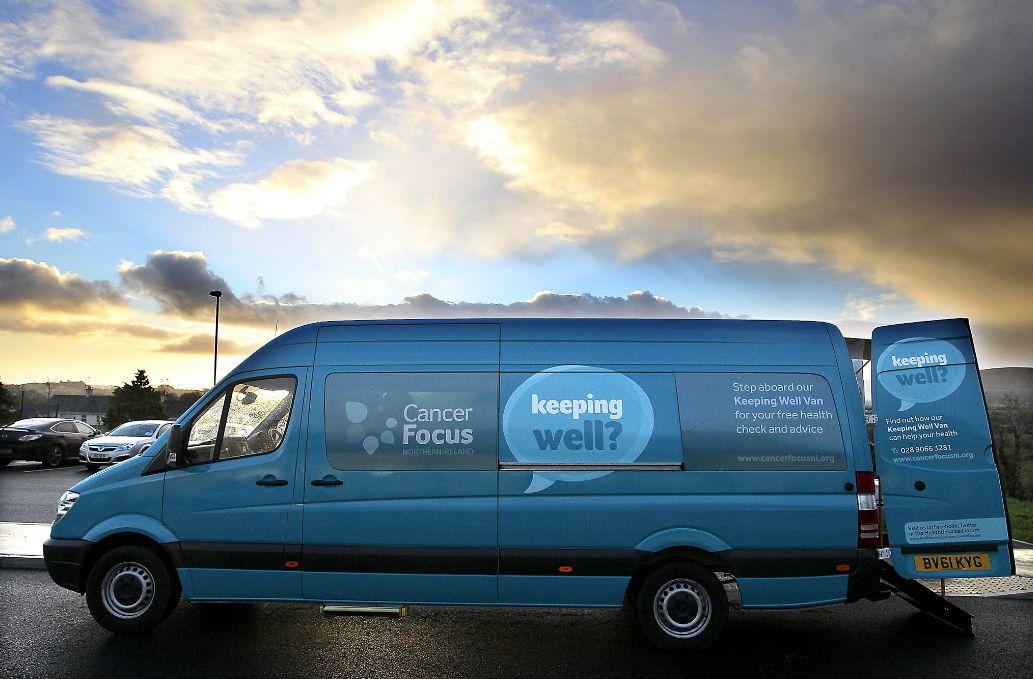
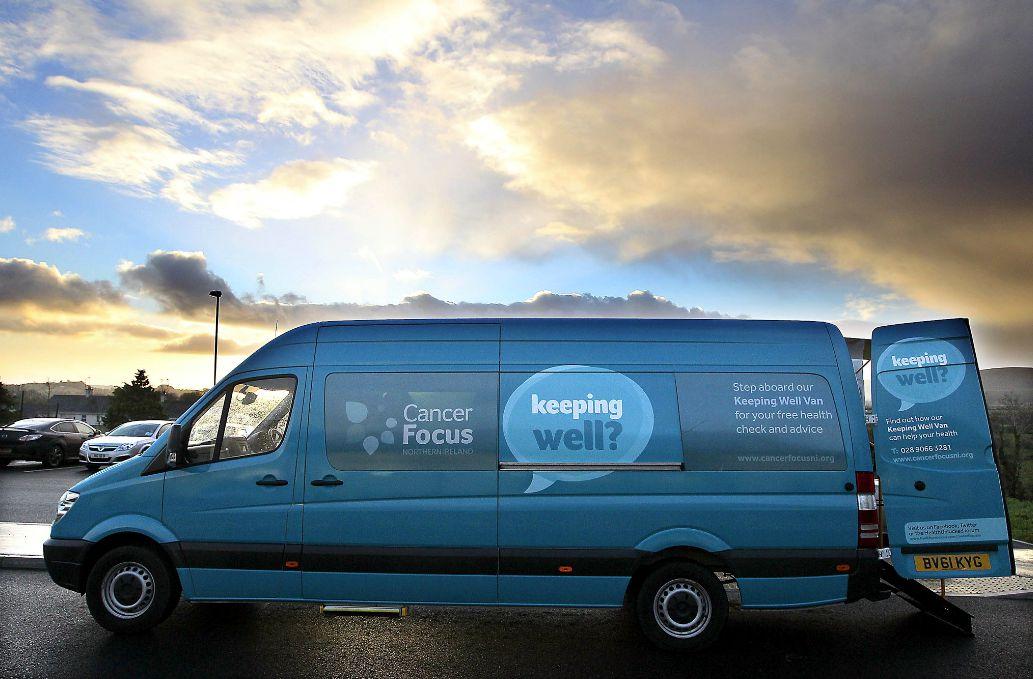
Cancer Focus NI, Keeping Well vans are mobile drop-in units which bring health checks,...
Writing is well-known to have therapeutic benefits – it gives you a voice and a way of...
Cancer Focus Northern Ireland’s Email Forum – or E Forum – helps us keep up to date with...
When an adult in the family is diagnosed with cancer it affects the entire family. It can...
There are so many ways to get involved, from cheering on a marathon runner to...
Welcome to the Caregiver Help & Support group. We're a supportive and safe place for...
Our nurses are here to help. They can provide you with information, and signpost you to...
Thrive is a community and safe space for younger women to connect with and support each...
When someone is diagnosed with cancer, they may experience feelings of shock, anger, or...
The Macmillan Online Community is a free online place for people who are living with or...
We're always looking for enthusiastic people to help with our work. We have a range of...
Track your treatment and wellbeing
Support for breast cancer
Prostate Cancer UK launched a campaign to encourage men at higher risk of prostate cancer...

Cancer Articles & Videos

Cancer Helplines & Web Chats

Marie Curie - Helpline
Cancer Research UK - Helpline
Bowel Cancer UK - Forum
Bowel Cancer UK - Ask a Nurse
Macmillan Helpline
Cancer Focus - Nurse Line
Macmillan - Forum
Prostate Cancer UK - Forum
Macmillan - Ask an expert
Prostate Cancer UK - Specialist Nurse
Macmillan - Bereavement Forum